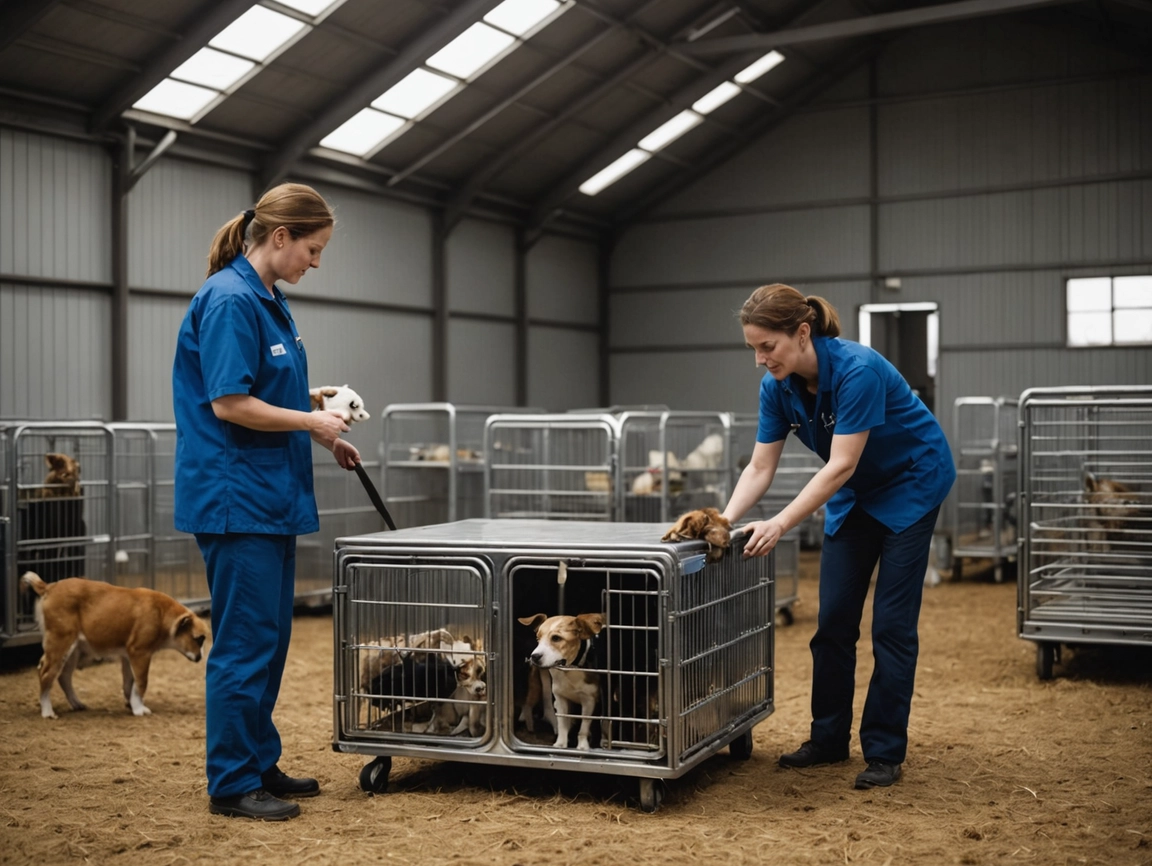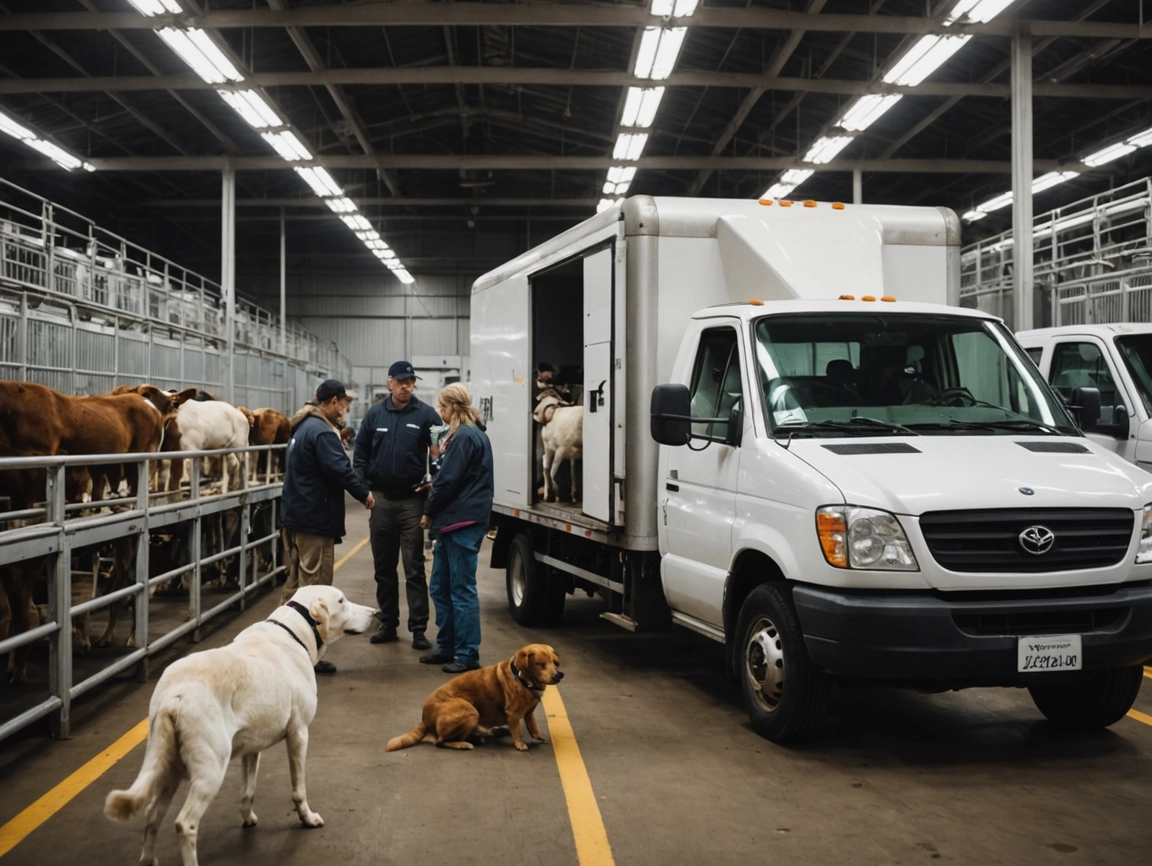
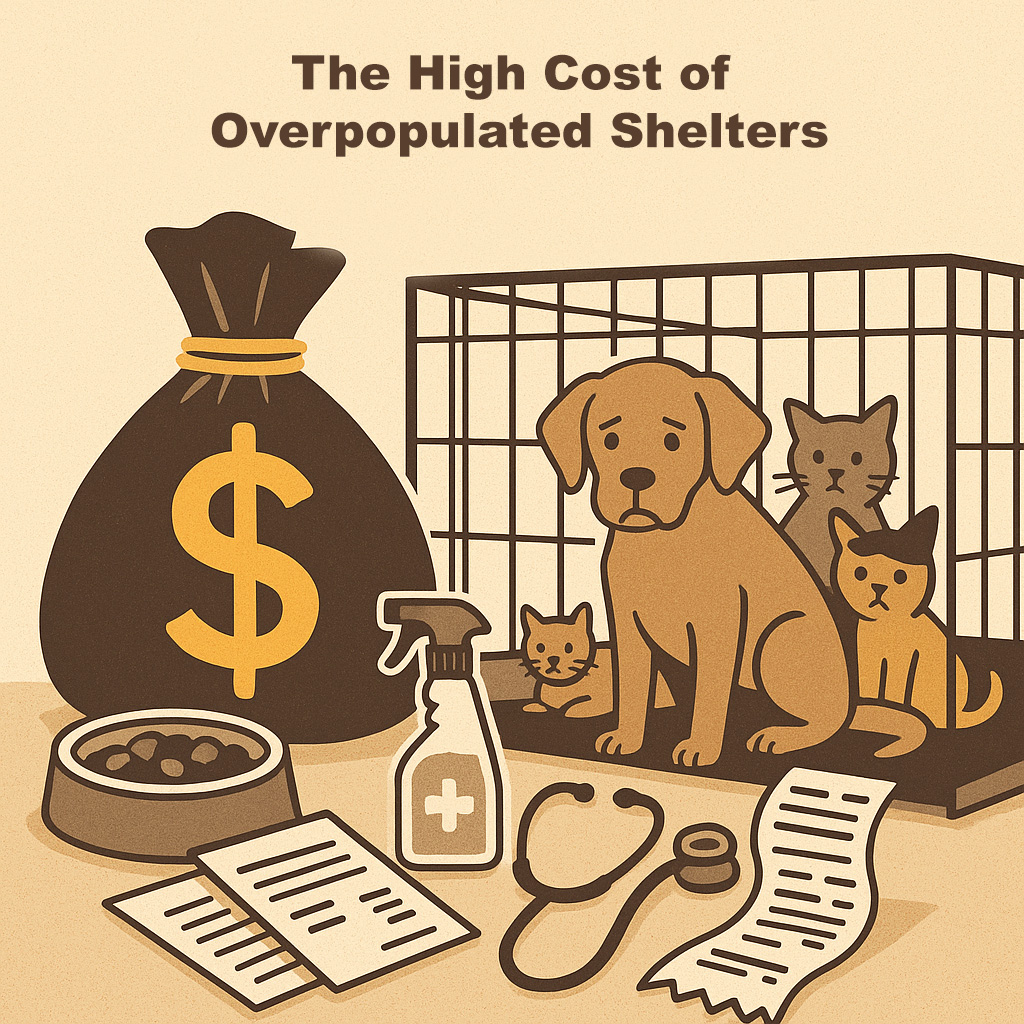
Overcrowding in municipal shelters isn’t just a capacity problem—it is a cost multiplier. Every additional day an animal remains in care compounds direct expenses: food, cleaning supplies, utilities, waste disposal, and routine veterinary care. Staffing costs rise in parallel, as more hands are needed for feeding, sanitation, record-keeping, and behavior monitoring. What looks like a temporary “holdover” quickly becomes a structural expense that erodes already thin departmental budgets.
Medical costs escalate as length of stay stretches. Stress-related illnesses, kennel cough, parasitic loads, and injuries from kennel proximity all require diagnostics, treatments, and isolation protocols. Each medical intervention extends holding times, consuming additional kennel days and staff hours. Meanwhile, disease control measures—PPE, disinfectants, testing, and biosecurity workflows—raise per-animal costs and reduce operational flexibility.
Operational inefficiencies compound the financial drain. High populations slow intake processing, delay outcomes (adoption/transfer/return-to-owner), and clog surgery schedules for spay/neuter. The ripple effects are measurable: longer cleaning cycles, higher overtime, increased wear on facilities and vehicles, and rising procurement volumes for consumables. Even small percentage increases—5–10 minutes more per kennel per day—translate to significant annual labor outlays when multiplied across dozens of runs and hundreds of days.
Finally, the community pays a reputational and opportunity cost. Overstretched teams have less bandwidth for fieldwork, proactive RTO, targeted adoption events, and volunteer management—the very strategies that lower population and cost. Grant makers and civic leaders are more supportive of agencies that demonstrate efficient flow, strong data, and humane outcomes. In short, overcrowding diverts dollars from strategic programs into maintenance mode. Reducing average length of stay and smoothing intake/output flow isn’t just humane—it’s the fastest path to cutting avoidable expenses and restoring fiscal health.